
How to Choose the Right Affiliate Network for Your Niche
Compare tracking, payouts, and support. Learn what to look for in an affiliate network and why publishers choose LinkHexa.


Not all affiliate networks are the same. The right one can help you scale your income, get reliable tracking, and work with trusted brands. The wrong one can mean delayed payments, poor support, and lost conversions. With hundreds of options out there—from global giants to niche-focused platforms—knowing what to look for can save you time and money. Here's how to choose an affiliate network that fits your goals, your niche, and your stage of growth.
What to Look for in an Affiliate Network
Before you sign up anywhere, run through this checklist. The best networks score well on all of these; the rest might leave you frustrated or underpaid.
- Transparent commission structures and payment terms — You should know exactly how much you earn per click, lead, or sale. Hidden fees, unclear deductions, or vague "up to X%" language are red flags. Look for networks that spell out commission types (CPA, CPS, CPL, rev share) and payment thresholds clearly.
- Reliable tracking and reporting — Clicks, conversions, and revenue should show up in your dashboard without delay. If tracking is inconsistent or reports are hard to understand, you can't optimize. Real-time or near-real-time data is ideal.
- Quality offers that match your niche — A network with thousands of offers is useless if none fit your audience. Check whether they have strong programs in your vertical (e.g. tech, finance, fashion, travel) and whether those advertisers are brands you'd be proud to promote.
- Support for beginners — Onboarding, help docs, and responsive support matter when you're new. Some networks are built for big publishers only; others welcome smaller ones with clear guides and a real support team.
- Timely payouts and a clear payment schedule — Net-30 or net-45 is common, but the key is that payments actually arrive on time. Read reviews or ask in publisher communities about payment reliability before committing.
Understanding Commission Types
Networks and advertisers use different payout models. Knowing them helps you compare offers and pick a network that offers the type of commissions you want.
- CPA (Cost Per Action)
- You get paid when a user completes a specific action—sign-up, trial, form submit, or purchase. Most common for affiliates.
- CPS (Cost Per Sale)
- You earn a percentage or fixed amount per sale. Great for product reviews and comparison content where you drive direct purchases.
- CPL (Cost Per Lead)
- You get paid when someone submits a form or becomes a lead. Common in finance, insurance, and education.
- Rev share (Revenue Share)
- You earn a percentage of the customer's spending over time (e.g. subscriptions). Good for long-term passive income if the product has strong retention.
The best networks offer a mix of these so you can choose offers that fit your content and audience. LinkHexa supports multiple commission types and makes it easy to see which campaigns pay what.
Cookie Duration and Attribution
Cookie duration is how long a click is attributed to you. If someone clicks your link today and buys in 14 days, a 7-day cookie means you get nothing; a 30-day cookie means you get the commission. Longer cookies (30, 60, or 90 days) are generally better for publishers, especially for considered purchases like software or travel. When comparing networks, check the default and maximum cookie windows for the offers you care about.
Comparing Affiliate Networks
Once you know what you need, compare a shortlist of networks. Look at tracking technology (first-party vs third-party cookies, server-side tracking), cookie duration, commission types, and the verticals they specialize in. Some networks are strong in retail, others in finance or SaaS—pick one that has depth in your niche. LinkHexa focuses on performance marketing with clear reporting and publisher-friendly terms so you can focus on content while we handle the infrastructure.

Red Flags to Avoid
Steer clear of networks or programs that show these warning signs:
- Vague or constantly changing commission terms
- Frequent "tracking issues" or lost conversions with no resolution
- Delayed or missing payments without clear explanation
- No real support—only generic FAQs or no reply to emails
- Pressure to drive volume at the cost of quality (e.g. incentivized traffic that gets clawed back)
- Lack of transparency on which advertisers you're promoting or how payouts are calculated
A good network wants you to succeed and will be upfront about rules, payouts, and best practices. If something feels off, ask in publisher forums or look for independent reviews before signing up.
Niche Fit Matters More Than Size
A network with 10,000 offers might sound impressive, but if only a handful fit your audience, you're better off with a smaller network that specializes in your space. For example, if you run a tech blog, look for networks with strong software, gadget, and SaaS programs. If you're in finance, prioritize networks known for insurance, credit cards, or investing offers. Quality and relevance beat quantity every time when it comes to conversion rates and reader trust.
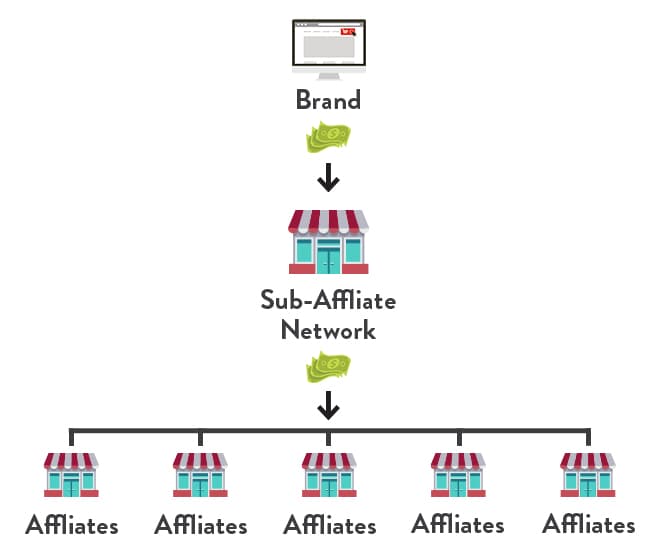
How Networks and Sub-Affiliate Structures Work
Some networks operate as direct partners to advertisers; others work through sub-affiliate or multi-tier structures. Understanding this helps you know where you sit in the chain and how commissions flow. In a well-run network, you get a single dashboard, one set of links, and clear reporting—whether the network is direct or has sub-partners. The important thing is that you see your clicks and conversions accurately and get paid on time.
Whether you're a blogger, influencer, or coupon site, joining a network that aligns with your audience and pays on time makes a real difference. Start with one network, master their offers and tools, then expand as you grow. Many successful publishers use two or three networks to access different advertisers and compare performance.
Practical Tips for Choosing Your First (or Next) Network
- Start with a shortlist of 2–3 networks that are known in your niche. Check their approved verticals and minimum traffic requirements so you don't waste time applying where you won't qualify.
- Read the terms and payment policy before you apply. Look for payment threshold, frequency (weekly, bi-weekly, monthly), and method (PayPal, wire, etc.).
- Apply with a clear picture of your traffic — site URL, monthly visitors, and content focus. Honest applications get approved faster and set the right expectations.
- Test with a few offers first before going all-in. See how tracking holds up, how support responds, and whether payouts land on time. Then scale.
FAQs
- Can I join multiple affiliate networks?
- Yes. Many publishers use several networks to access different advertisers and compare payouts and support. Just keep your links and reporting organized.
- What if my traffic is low?
- Some networks have minimum traffic requirements; others welcome small publishers. Look for "beginner-friendly" or "no minimum" programs and grow from there.
- How do I know if a network is trustworthy?
- Check reviews, ask in publisher communities, and look for transparent terms and a real support team. LinkHexa is built on clear terms and timely payments so publishers can trust the relationship.
Join a Network Built for Publishers
LinkHexa connects you with top offers, clear tracking, and timely payments. Transparent terms, real support, and reporting you can trust. See why publishers choose us.
Join as Publisher